The Corporate Event Planning Checklist That Actually Holds Up in 2026
Sixty-three days, That's roughly how much runway a mid-size conference in India needs once you count venue holds, vendor lock-ins, and the one week nobody replies to your emails. Corporate event planning sounds straightforward until you're the one holding the spreadsheet three weeks before an annual day with 400 confirmed guests and a catering vendor who's gone quiet.
I've rebuilt this corporate event planning checklist after watching teams get caught out by things that shouldn't surprise anyone: a generator nobody booked, a stage two feet too wide for the hall, an AV vendor who quoted for half the actual room size. This guide covers what HR managers, admin teams, and event coordinators actually need: budget, venue, vendor coordination, day-of risk management, and the post-event numbers most guides skip. There's a phase-wise budget table too, and the gaps most competitor checklists leave out.
What Is Corporate Event Planning, Exactly?
Corporate event planning is the process of organising business events, conferences, offsites, annual days, seminars from objective-setting to post-event reporting. It works by sequencing budget, venue, and vendor decisions against a fixed date, then locking each in writing. Most commonly used for conferences, product launches, and employee engagement events. A 100–200 guest event in an Indian metro typically runs ₹5 lakh to ₹25 lakh.
According to EventBazaar's 2026 India planning guide, a mid-scale corporate event with 100 to 300 attendees needs 10 to 12 weeks of lead time, while events with 300-plus guests need 4 to 6 months to plan properly [eventbazaar.com].
So where do most teams actually start? Not with the venue with the objective. "We want people to have a good time" isn't the purpose. It's a hope. And a checklist built on a hope tends to fall apart around week six.
Who Owns Corporate Event Planning in a Company?
Usually HR or admin teams own the process, with marketing stepping in for product launches or brand-heavy events. Larger companies bring in an event management partner for vendor coordination and on-ground execution, while the internal team keeps control of approvals and budget. For teams looking to hand off the heavy lifting, partnering with a professional platform like Plan4Event can streamline everything from vendor alignment to on-ground execution.
The 8-Phase Corporate Event Planning Checklist
A corporate event planning checklist is a phase-wise list of tasks from objective-setting to feedback collection. It works by assigning a deadline to each task, counted backward from the event date. Most commonly used to prevent last-minute vendor and venue failures. Skipping one phase, like registration testing, is the top cause of day-of chaos.
|
Phase
|
Timeline Before Event
|
Key Tasks
|
|
1. Objective & budget
|
8–12 weeks
|
Define goal, headcount, lock budget
|
|
2. Venue & date
|
8–10 weeks
|
Site visits, hold dates, sign contract
|
|
3. Vendor coordination
|
6–8 weeks
|
Catering, AV, décor, transport quotes
|
|
4. Registration & invites
|
4–6 weeks
|
Registration link, invites, RSVP tracking
|
|
5. Agenda & branding
|
3–4 weeks
|
Run-of-show, branding, gifting order
|
|
6. Final confirmations
|
1–2 weeks
|
Headcount lock, vendor reconfirmation
|
|
7. Day-of execution
|
Event day
|
Setup, AV check, risk contingency
|
|
8. Post-event
|
1–2 weeks after
|
Feedback forms, ROI report, payments
|
Honestly, most checklists lump phases 2 and 3 together and that's exactly where the AV vendor ends up working off a stale brief. If managing eight separate phases in-house sounds like a full-time job on top of your actual workload, exploring end-to-end management via Plan4Event's corporate services lets internal HR and admin teams focus on the strategy while experts handle the logistics.
Corporate Event Budget Checklist: Where the Money Actually Goes
A corporate event budget checklist breaks total spend into venue, catering, AV, décor, and contingency lines. It works by allocating a percentage to each category before vendor quotes come in. Most commonly used to stop overspend on décor at the cost of AV reliability. A 10% contingency line is now standard among Indian corporate planners.
|
Budget Category
|
Typical Share
|
|
Venue rental
|
25–30%
|
|
Catering
|
20–25%
|
|
AV & production (sound, lighting, stage)
|
15–20%
|
|
Décor & branding
|
8–10%
|
|
Transport & accommodation
|
8–10%
|
|
Contingency buffer
|
10%
|
Madmaze Studios' 2026 planning guide recommends adding a 10% buffer specifically to handle unexpected expenses that show up in the final week [madmaze.in].
In my view, the contingency line is the first thing teams cut when budgets get tight and it's the one item that always ends up getting used. I've seen this mistake more times than I can count: décor budget locked before the AV vendor even quotes, then the sound system gets whatever's left over.
Venue, Vendor and Catering Coordination Checklist
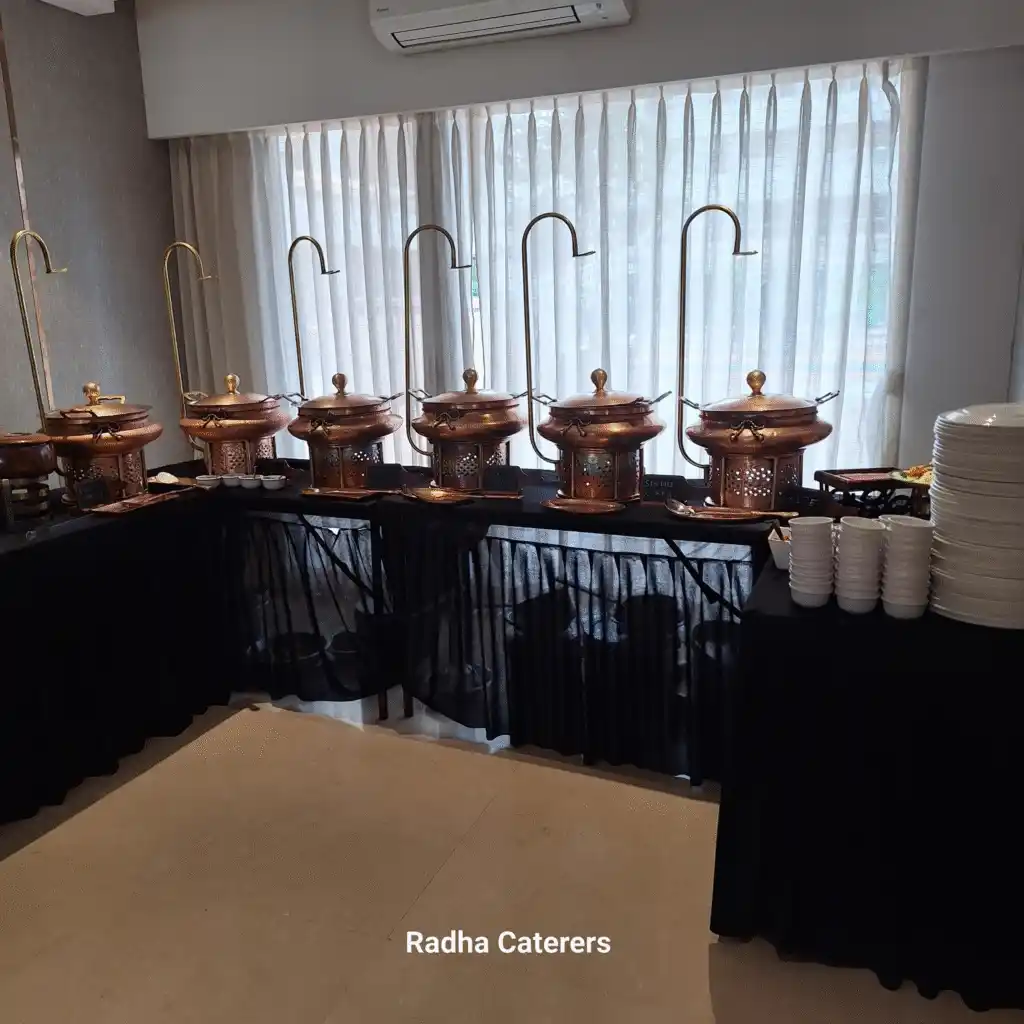
Vendor coordination in corporate event planning means confirming catering, AV, décor, and transport vendors against one shared event brief. It works by circulating a single run-of-show document to every vendor at once. Most commonly used to prevent conflicting setup timelines on event day. A shared run-of-show keeps every vendor working off the same schedule.
Catering Management Checklist
• Headcount confirmed with a 5–8% buffer over RSVP count
• Dietary preferences collected at least a week in advance
• Live counters have confirmed power backup, not just mains supply
• Vendor is FSSAI-compliant, with license number on file
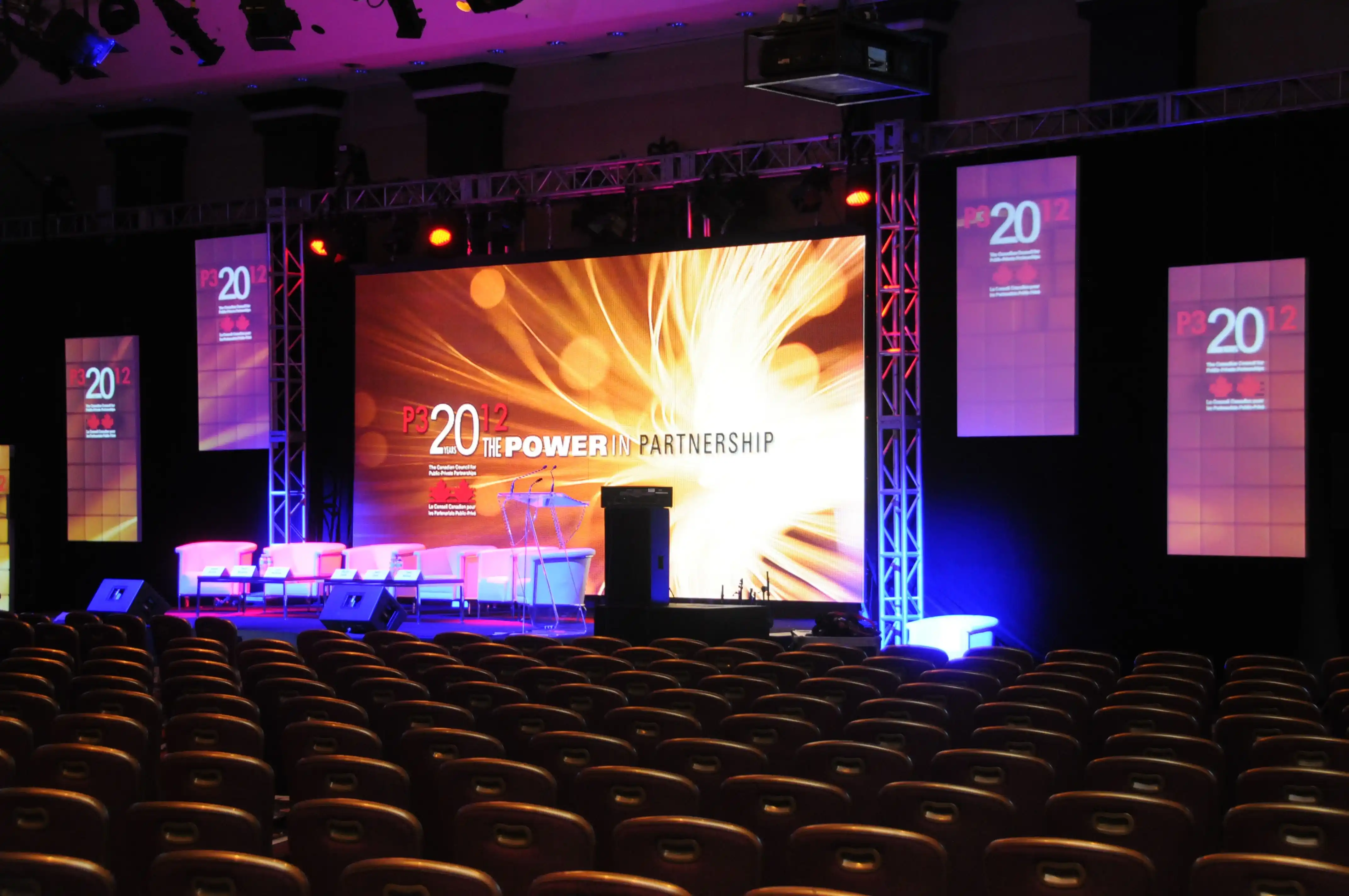
AV Equipment and Stage Setup Checklist
• AV quote matches actual room size, not a generic package
• Power drops and internet bandwidth confirmed in writing
• A rehearsal slot is booked, not assumed
What's the one coordination step teams skip most often? Sharing the run-of-show with every vendor at once, not just the planner. Most teams brief each vendor separately, and that's exactly how a caterer and a stage crew end up needing the same loading dock at the same time.

Corporate Conference vs Annual Day vs Offsite: What Changes
A corporate conference planning checklist adds registration desks, speaker green rooms, and session-wise AV needs on top of the base checklist. It works by treating each session as a mini-event with its own timing. Most commonly used for multi-track conferences and product launches. Annual day checklists instead prioritise stage rehearsals and employee recognition logistics.
|
Event Type
|
Extra Checklist Items
|
|
Corporate conference
|
Speaker management, badge printing, session tracks
|
|
Annual day
|
Award logistics, entertainment vendor, stage rehearsals
|
|
Corporate offsite
|
Accommodation blocks, shuttles, local permissions
|
|
Seminar / workshop
|
Handout printing, smaller catering headcount
|
A seminar planning checklist looks deceptively light compared to a conference until you realise the AV needs are just as strict for a 50-person workshop with a live demo as they are for a 500-person keynote.
Day-of Risk Management: The Checklist Most Guides Skip
Risk management in corporate event planning means preparing backup plans for power, weather, and vendor no-shows. It works by assigning one point person per risk category before event day. Most commonly used for outdoor events, large conferences, and offsites with 300-plus guests. A confirmed backup generator is the most-requested addition after a bad event experience.
• Backup generator and power confirmed in writing, not a verbal assurance
• IPRS (Indian Performing Rights Society) licence confirmed if any music live or recorded will play
• One WhatsApp group per vendor category, not a single mega-group for everyone
• Weather contingency plan for outdoor or semi-outdoor venues
• GST-compliant invoicing confirmed with every vendor before final payment
• One designated person for medical or security escalation
In my experience, the IPRS licence is the one compliance item almost every first-time corporate organiser forgets until the venue asks for it at the entrance (most competitor checklists mention "permissions" as one vague line item, never the actual license name).
Post-Event: Feedback and ROI Tracking Checklist
ROI tracking in corporate event planning means measuring outcomes like leads, engagement, or attendance against the original objective. It works by collecting feedback within 48 hours of the event. Most commonly used to justify next year's budget to leadership. 40% of organisers still find it hard to prove event ROI in 2026, down from 70% in 2025.
That's worth sitting with if your post-event report still leads with a headcount number. An event without a feedback form is a data point nobody can use next year.
• Feedback form sent within 48 hours, not at month-end
• Attendance vs RSVP gap tracked for future headcount buffers
• Vendor performance rated for next event's shortlist
• Objective-linked metric reported to leadership, not just photos

Frequently Asked Questions About Corporate Event Planning
What is the ideal timeline for corporate event planning?
Small events under 100 guests need 4 to 6 weeks. Mid-scale events with 100 to 300 attendees need 10 to 12 weeks. Large conferences or annual days with 300-plus guests should start planning 4 to 6 months out, mainly to lock venue dates and vendor availability early.
How much does a corporate event cost in India?
A corporate event for 100 to 200 guests in a metro city typically costs ₹5 lakh to ₹25 lakh, depending on venue, catering quality, and AV production level. Budget conferences and seminars run lower; branded product launches with elaborate décor push toward the higher end.
What should a corporate event planning checklist include?
A complete checklist covers objective-setting, budget allocation, venue booking, vendor coordination, registration, branding, day-of risk management, and post-event feedback. The most commonly missed items are contingency budgeting, backup power confirmation, and IPRS licensing for events with music.
Who is responsible for corporate event planning in a company?
HR managers or admin teams usually own corporate event planning, sometimes with marketing involved for product launches or brand-heavy events. Larger companies bring in an external event management partner for vendor coordination and on-ground execution, while the internal team manages approvals and budget.
What licenses are needed for a corporate event in India?
Most corporate events need venue permissions and, if music is played live or recorded, an IPRS licence. Outdoor events may also require local police or municipal permissions depending on the city and guest count. Confirm requirements with the venue and event partner well before the event date.
How do you measure ROI on a corporate event?
Track outcomes against the original objective leads generated, attendee engagement, employee feedback scores, or media coverage, depending on event type. Collect feedback within 48 hours while the experience is fresh. Around 40% of organisers still struggle to prove event ROI clearly, per Bizzabo's 2026 benchmark data.
Final Thoughts
Sixty-three days isn't a magic number; it's just what happens when you count backward from a 300-guest annual day and add a buffer for the vendor who won't confirm until the last week. Three things actually move the needle: locking your budget with a contingency line before vendor quotes come in, sharing one run-of-show document with every vendor instead of managing them separately, and treating risk management power, licensing, weather as a checklist item, not an afterthought.
Corporate event planning doesn't get less chaotic with experience. It gets more predictable, which is a different thing entirely. The teams that run smooth annual days aren't the ones with bigger budgets. They're the ones who stopped compliance and contingency last week."Ready to skip the chaos for your next conference or annual day? Get a free consultation with Plan4Event and let India's premium event management platform handle the heavy lifting.