5 Small Intimate Wedding Ideas for Indian Couples in 2026
A small intimate wedding in India usually means 50 to 150 guests, a venue that fits that number comfortably, and a budget spent on fewer, better things rather than spread thin across a big guest list. Below are 15 ways to plan one without it feeling like a scaled-down version of a big wedding.
Big fat Indian weddings aren't going anywhere, but they're no longer the only version of "a proper wedding." More couples are cutting the guest list on purpose, not because they have to, and putting that saved money into better food, a nicer venue, or simply a day with fewer people to manage. If that's the wedding you're planning, here's what actually helps.
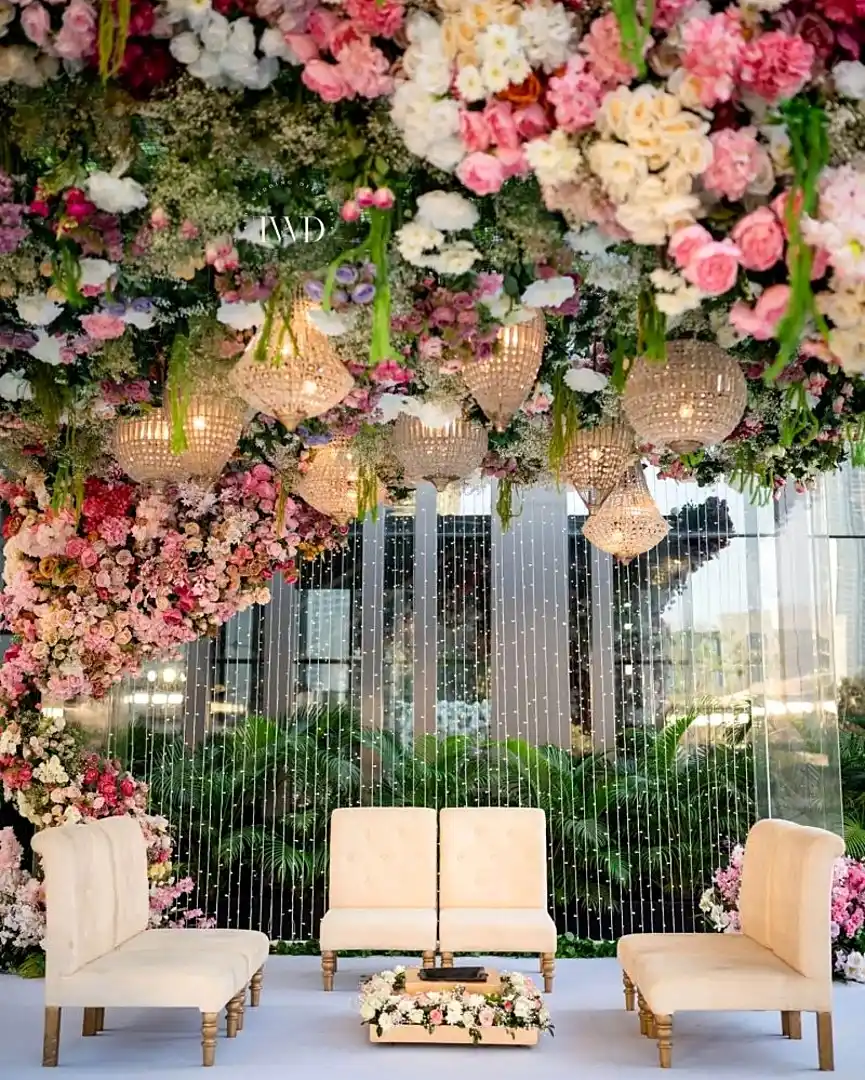
Decide your number before you touch a venue list
Most planners now put an intimate Indian wedding somewhere between 50 and 150 guests. Pick your number first, in writing, before you start venue hunting or calling caterers. Every other decision on this list depends on it. Sit with both families and agree on who's non-negotiable and who isn't. It's an uncomfortable conversation once, instead of an uncomfortable guest list forever.
Pick a venue that's built for your number, not shrunk to fit it
A 500-seat banquet hall with 80 chairs in it looks half-empty, not intimate. Look for spaces actually sized for a small group: a home lawn, a boutique farmhouse, a heritage haveli courtyard, or a resort's private garden. Hill stations like Mussoorie, Rishikesh, and Kasauli, and desert towns like Pushkar and Udaipur, have plenty of smaller properties built exactly for this scale.
Put the guest-list savings into fewer, better things
The real advantage of a small wedding isn't a smaller bill. It's the same budget stretched across fewer plates, so each one costs more. Instead of spreading money thin over 400 guests, couples are putting it into better food, a proper photographer, and small personal touches guests actually remember.
|
Budget head
|
Typical big wedding (300+ guests)
|
Typical intimate wedding (80-100 guests)
|
|
Venue
|
20-25%
|
20-25% (smaller space, similar %)
|
|
Food and catering
|
25-30%, wide menu
|
20-25%, fewer dishes, better quality
|
|
Decor
|
15-20%, spread thin
|
20-25%, concentrated in fewer spots
|
|
Photography and video
|
8-10%
|
12-15%, often the top priority
|
|
Guest experience (favours, activities)
|
2-3%
|
8-10%
|
Percentages are indicative planning ranges, not fixed figures. Adjust to your city and vendor rates
Choose weekday or morning slots over a Saturday evening
The same banquet space or farmhouse can cost a third less on a Tuesday than a Saturday. Morning weddings, a 9 AM phera followed by brunch, are catching on in Delhi NCR, Lucknow, and Jaipur too. Photos look better in daylight, and the whole day feels less rushed.
Hire vendors who specialise in small weddings, not scaled-down big ones
A caterer built for 500-plate banquets will struggle to make an 80-person meal feel special, and a decorator used to filling huge halls may not know how to make a small space feel intentional rather than sparse. Ask vendors directly how many small weddings they've handled and ask to see photos from one, not just their biggest job.
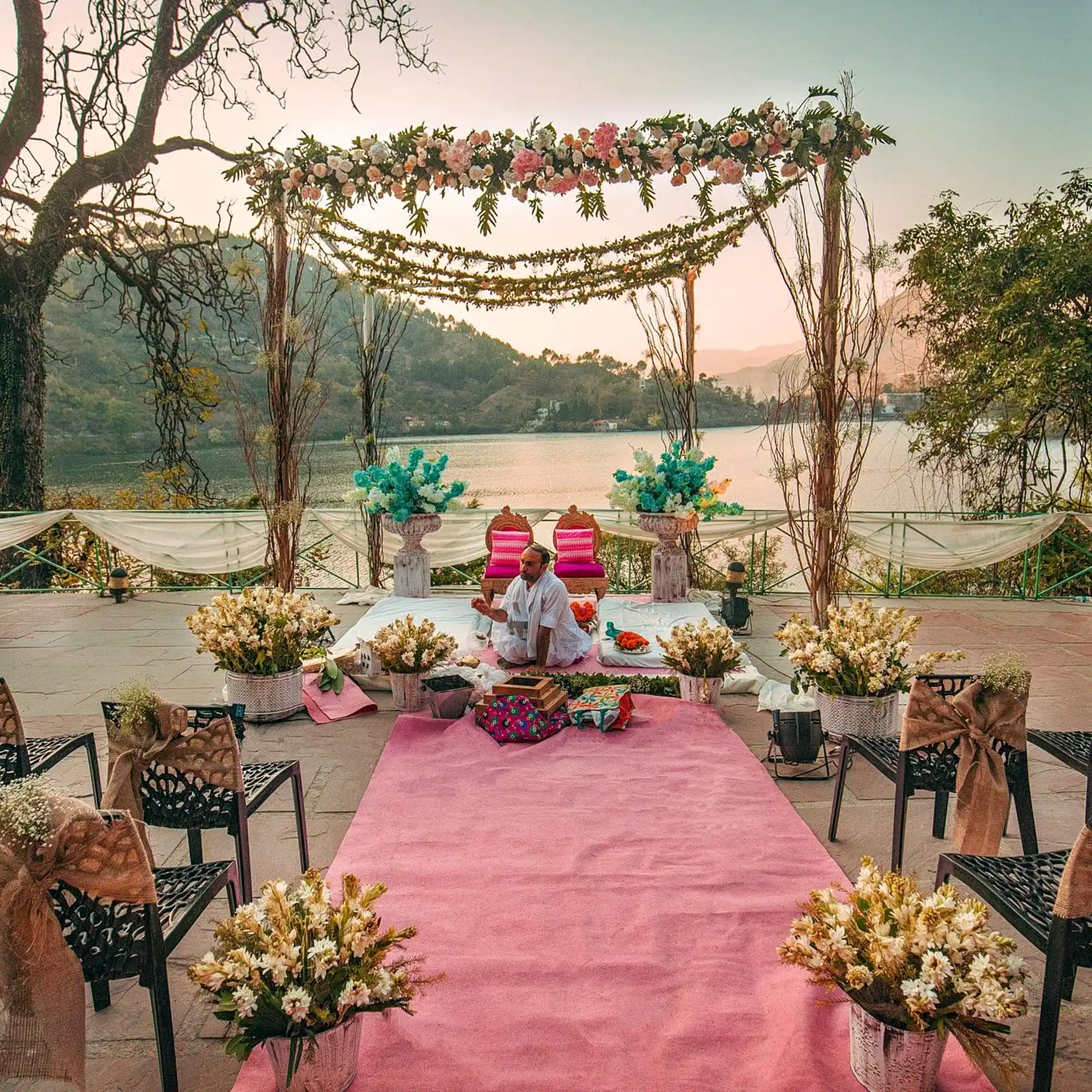
Go local with flowers instead of imported ones
Genda phool, mogra, and jasmine cost a fraction of imported orchids and hold up better in Indian heat. They also smell the way an Indian wedding is supposed to smell, which imported flowers rarely do. Save the imported blooms, if you want them at all, for the bridal bouquet or one statement piece.
Let the venue do some of the decor work for you
A haveli courtyard, a lake-facing lawn, or a hillside resort already has a view. Spend less on covering it up with structures and more on lighting it well after sunset. This is usually cheaper than building a full stage from scratch, and it photographs better too.
Plan one standout food moment instead of a 25-item buffet
Nobody remembers the eighteenth paneer dish on a spread. A live chaat counter, a kulfi station, or a regional specialty from your family's own city tends to get talked about long after the wedding. Trim the buffet to 12-15 well-made items and put the saved budget into that one memorable counter.
Add a pre-wedding event the two families can actually mingle at
On the wedding day itself, you'll be busy with rituals and photos, and there's rarely time to properly introduce the two sides of the family. A casual welcome dinner or a Haldi-morning brunch the day before does that job better, in a relaxed setting where nobody's watching the clock.
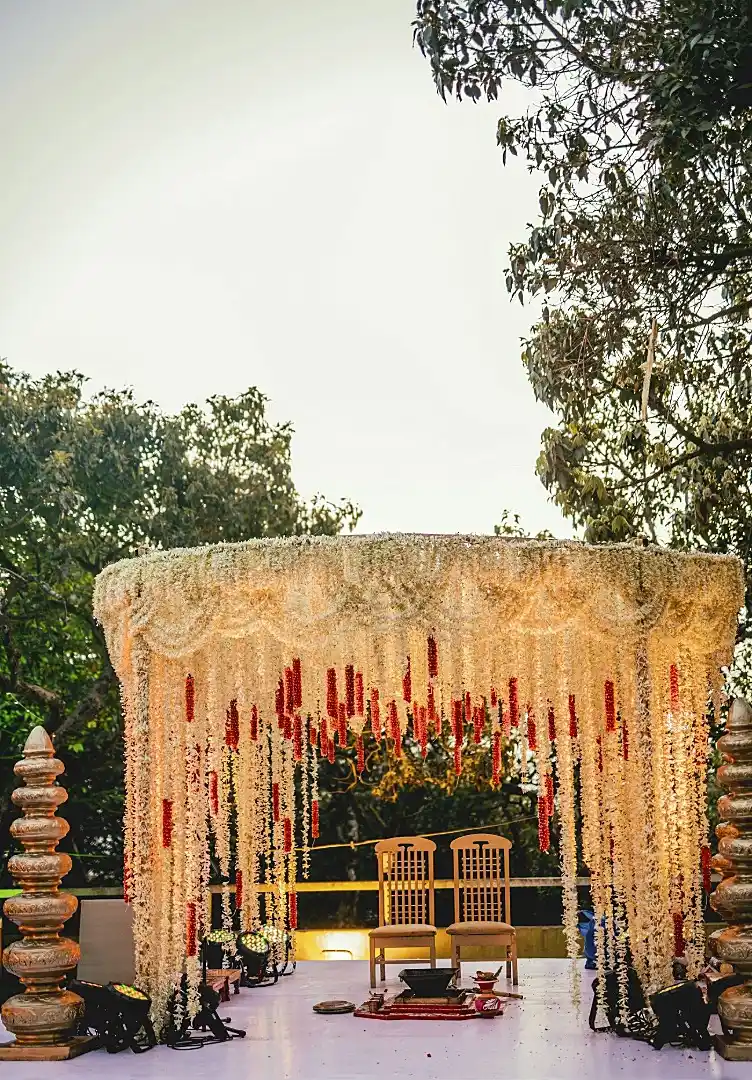
Use digital invites and save that budget for something guests will remember
A well-designed digital invite costs a fraction of print and card packaging, updates instantly if a date or venue changes, and reaches everyone the same day. Redirect what you'd have spent on printed cards into the food counter or the photographer instead.
Spend on one photographer who understands small weddings
With fewer guests, there's nowhere for a photographer to hide behind crowd shots. Every frame has to work harder. Look at a photographer's portfolio specifically from smaller weddings, not just the big ones on their homepage, before you book.
Add a personal touch guests can't get at any other wedding
A handwritten note at each place setting, a small message printed on the menu card, or a photo timeline of the couple near the entrance costs little and means a lot more at a small wedding, where every guest actually sees it. At a 500-person wedding, these details get lost. At an 80-person one, they don't.
Keep the mandap or stage small on purpose
A minimal mandap with a few well-placed floral clusters and good lighting reads as more elegant on camera than an oversized structure competing with a small crowd around it. Talk to your decorator about scaling the structure down to match your guest count, not just the venue size.
Build in unhurried time with your own immediate family
At most Indian weddings, immediate family spends the day managing guests instead of being in the moment. With a smaller list, you can actually schedule a family portrait session or quiet tea before the rituals start, time that usually gets lost entirely at bigger weddings.
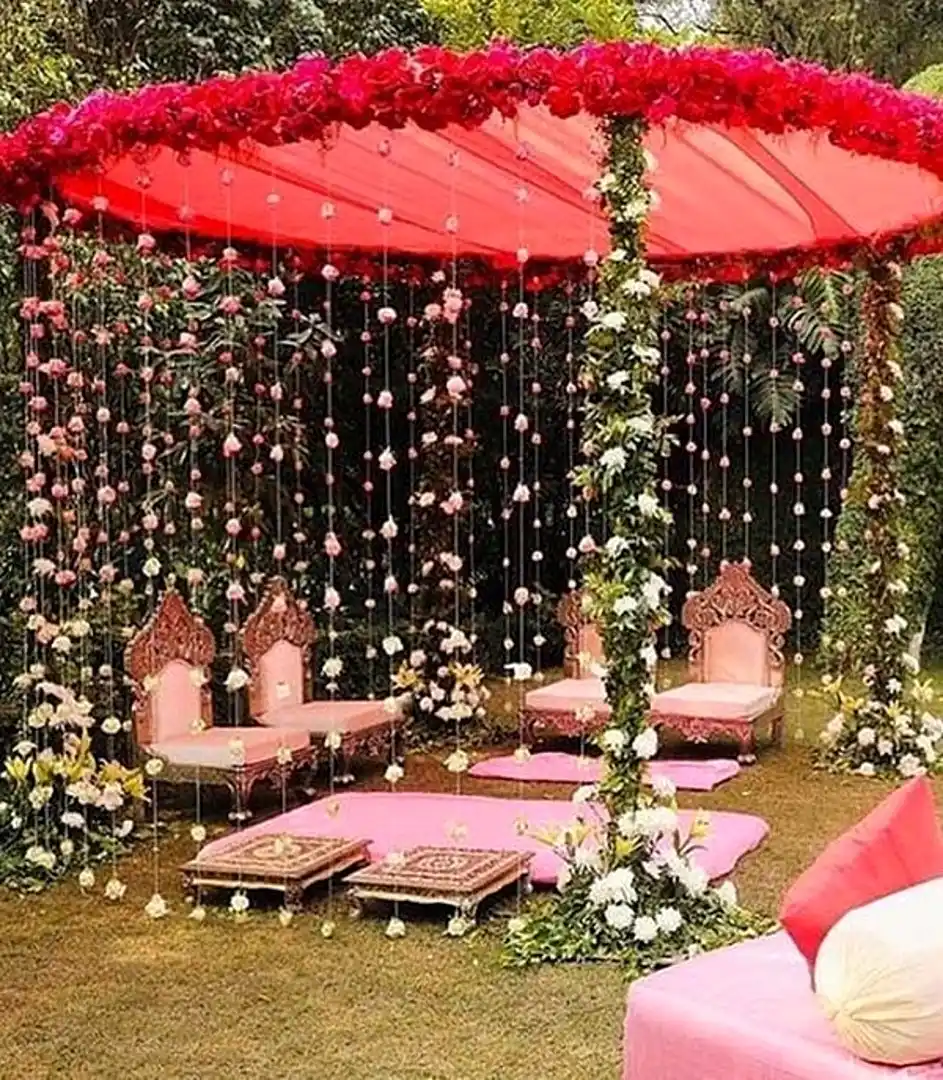
Add one interactive element if it's a destination wedding
A small group at a hill or beach destination has room for things a 400-guest wedding can't manage logistically, a group trek, a bonfire night, or a simple lawn-games evening. These give guests something to do together and often end up being the part they talk about most.
Book vendors early even though the guest list is small
A smaller wedding still needs the same vendor types, just scaled down, and the good small-wedding specialists get booked out just as fast as big-wedding ones. Lock in your venue, caterer, and photographer as early as you would for a bigger event.
Frequently asked questions
How many guests count as a small intimate wedding in India?
Most planners and couples use a range of 50 to 150 guests, with anything under 50 often called a micro-wedding.
Is a small wedding actually cheaper than a big one?
Not always. The per-guest spend usually goes up because the same total budget is spread across fewer people. The total bill is smaller mainly because there are fewer plates, chairs, and invites to pay for.
What's the best time of year for a small intimate wedding in India?
Weekday and morning slots outside the peak wedding season tend to be both cheaper and easier to book, since venues and vendors have more room in their calendars.
Can a small wedding still feel grand?
Yes. Concentrating the budget on a few things, like food, photography, and lighting, usually reads as more elevated on camera than a large wedding where spending is spread thin.
Do I need a wedding planner for a small wedding?
It's optional, but a planner who specifically handles small weddings can help you find venues and vendors sized correctly for your guest count, which saves both money and back-and-forth