Simple Arabic & Khafif Mehndi Design Ideas for 2026
If you want a mehndi design that looks rich without taking hours to apply, Arabic and khafif styles are the two you should look at first. Both use open spaces and flowing strokes instead of covering the whole hand, which is why they've become the go-to choice for brides, bridesmaids and anyone attending a wedding season full of functions.
This guide breaks down what actually separates a khafif mehndi design from an arabic mehendi design, shows where each style works best on the hand and feet, and adds practical tips on getting a darker stain that most design roundups skip entirely.
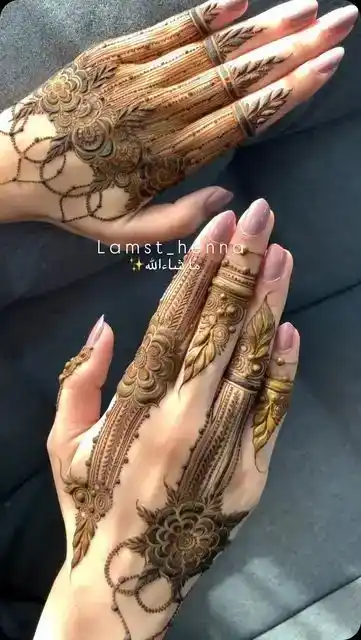
What Is Khafif Mehndi Design?
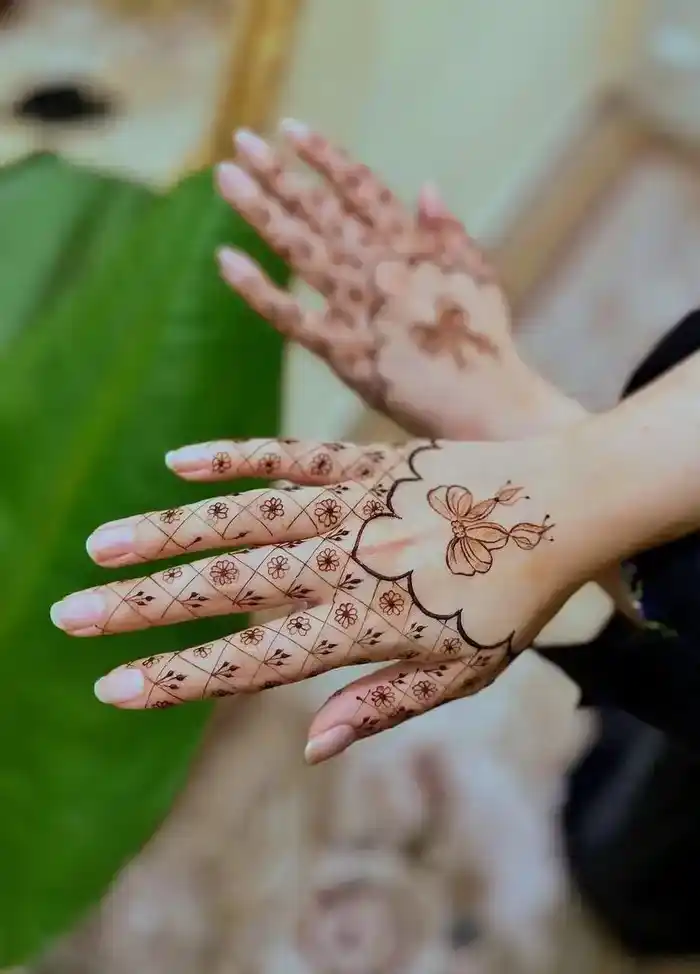
Khafif means "light" or "delicate" in Urdu, and that's exactly what the style delivers. A khafif mehndi design uses thin, fine strokes, small floral fillers and generous negative space, so the pattern reads as elegant rather than heavy. It's not a separate art form from Arabic mehndi so much as a lighter, more detailed cousin of it: the strokes are finer, the motifs smaller, and the overall coverage lower.
You'll usually see khafif designs on the back of the hand, running from the wrist toward the fingers in a single connected trail. That makes it a strong pick for anyone who wants a mehndi design that photographs well without eating up an entire afternoon in the artist's chair.
What Is Arabic Mehndi Design?
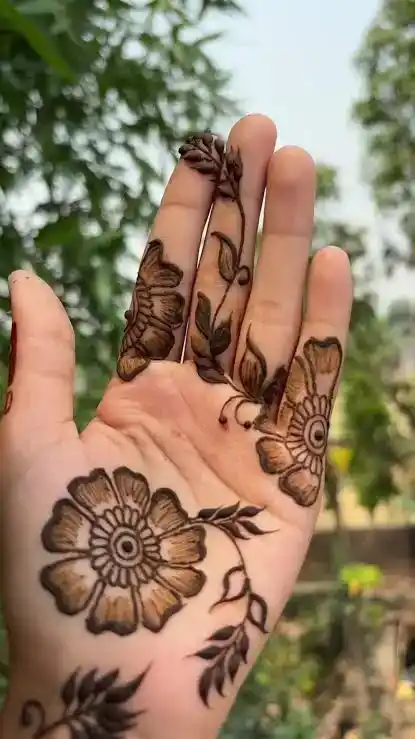
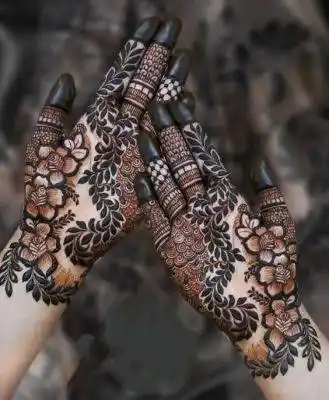
Arabic mehndi design leans on bold floral motifs, thick outlines and sweeping diagonal vines that move across the hand rather than filling it. Where traditional Indian mehndi packs in fine jaal work and covers the palm edge to edge, arabic mehandi design keeps the strokes broader and leaves visible skin between each motif. That's also why it dries and stains faster than a full bridal design, since there's simply less mehndi paste sitting on the skin.
Both men and women's mehndi ceremonies across India have picked up arabic mehandi design over the last few years, largely because it works for every function: mehndi day, sangeet, Eid, or even a regular family wedding where the bride doesn't want to commit to a five-hour session.
Khafif vs Arabic Mehndi: What's the Real Difference?
People search for both terms almost interchangeably, so here's the actual distinction:
Stroke thickness: Arabic uses bold, thick strokes. Khafif uses fine, thread-like lines.
Motif size: Arabic favours large flowers and leaves. Khafif uses miniature florals and dainty fillers.
Coverage: Arabic leaves moderate open space. Khafif leaves even more, sometimes covering less than a third of the hand.
Application time: A simple arabic mehndi design can take 20 to 40 minutes. A detailed khafif pattern with fine fillers can take just as long despite the lower coverage, since fine lines need a steadier hand.
If you want drama with speed, go arabic. If you want something that looks like fine jewellery on the skin, go khafif.
Easy Arabic Mehndi Design Ideas by Placement
Back Hand Arabic Mehndi
The back of the hand is where arabic mehandi design looks the most striking, mainly because it's the first thing people see when you're holding a chai cup or adjusting your dupatta. A single floral vine running from the middle finger down to the wrist, paired with small dot fillers, gives full coverage without weighing the hand down. Browse more bridal mehndi and ceremony inspiration if you want to see how other brides have styled this, or ask your artist to extend the vine into a bracelet-style cuff at the wrist for extra detail.
Front Hand and Palm Arabic Mehndi
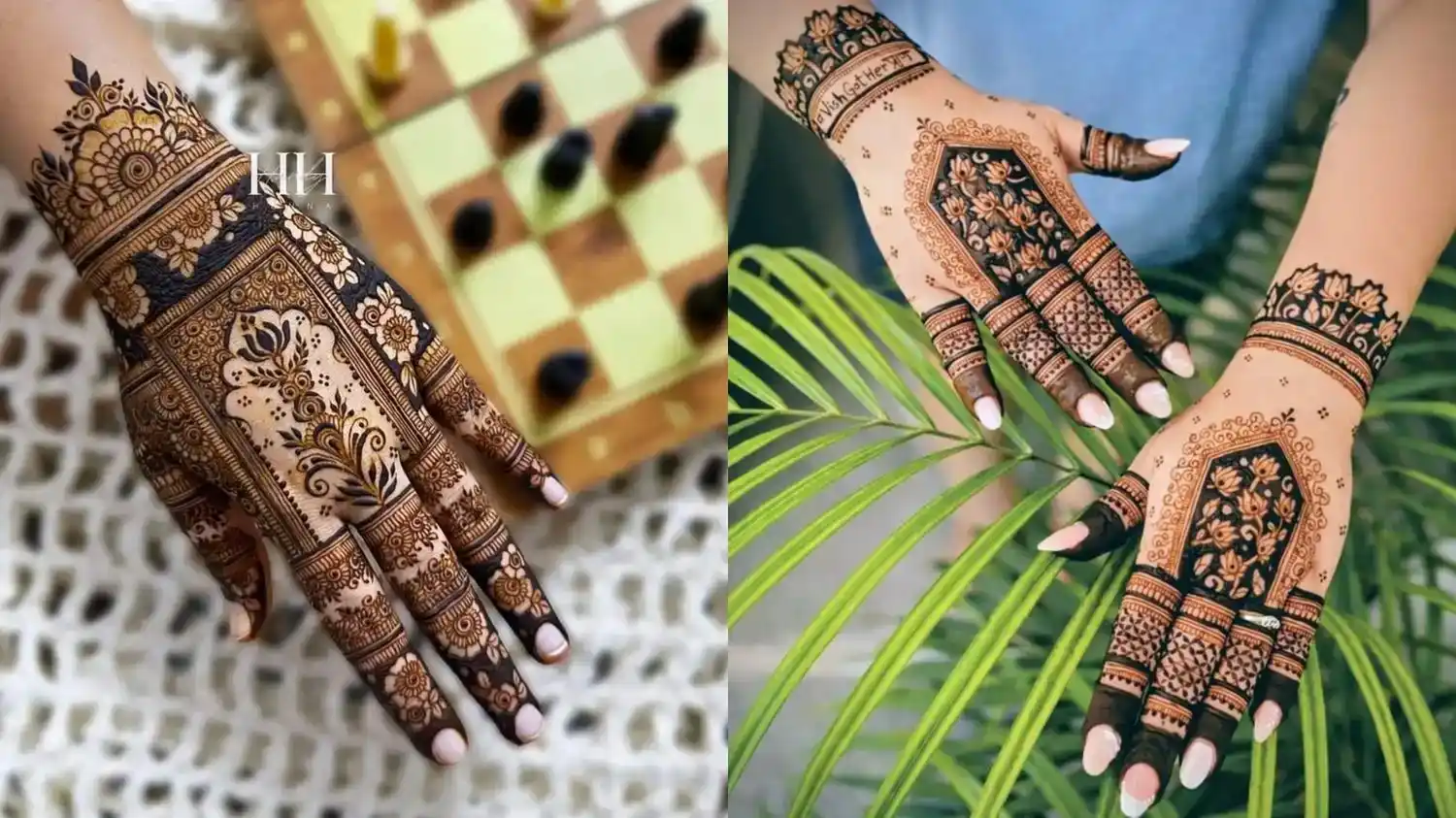
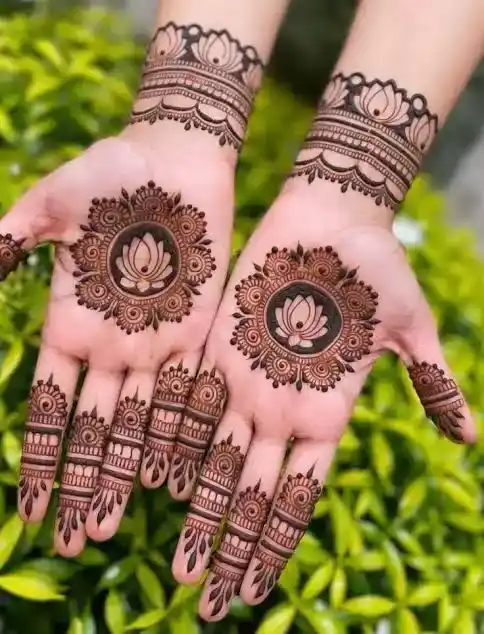
The palm gives an artist more room to work with, so front hand designs tend to include a central motif such as a mandala or lotus, with thinner trails branching out toward the fingers. Brides who want their hands to look ceremony-ready but don't want a full jaal pattern often ask for this exact combination.
Simple Mehndi Design for Feet
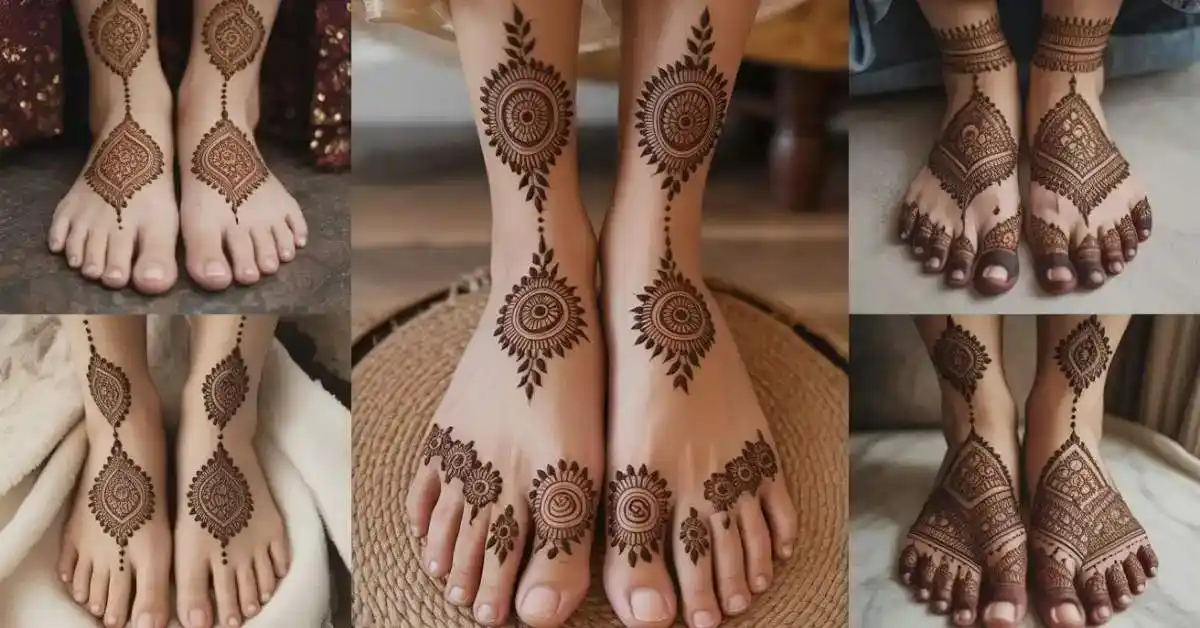
Feet mehndi doesn't need to match the hand design exactly. An anklet-style band with a few scattered florals moving up toward the shin works for most functions, and it's quick enough to do on bridesmaids or guests right before the event starts.
Finger-Only and Minimal Mehndi
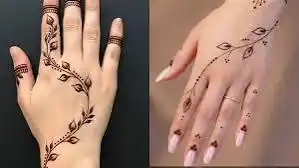
For daily wear, office functions, or a quick touch before a small gathering, a finger-only design (dots, thin vines, or a small motif at the fingertip) gives a festive look in under ten minutes. This is the category most people mean when they search for an easy mehandi design.
Khafif Mehndi Design Ideas Worth Trying
New Khafif Mehndi Patterns
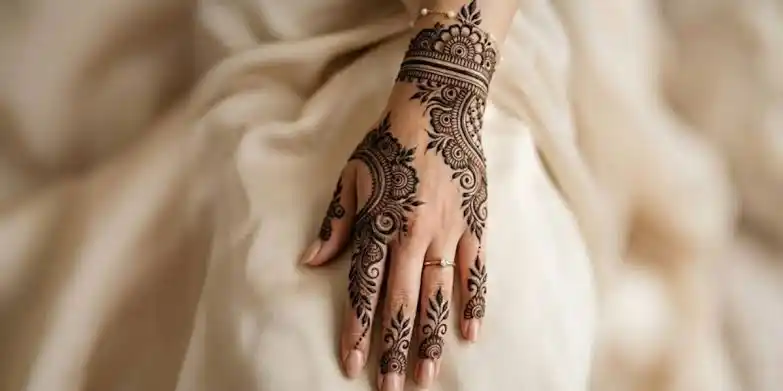
Current khafif styles mix fine floral trails with light geometric lines, often running diagonally rather than straight up the hand. Artists are also blending Arabic flow with khafif detailing, so the design keeps the bold Arabic movement but with the finer khafif stroke width.
Khafif Mehndi for Legs
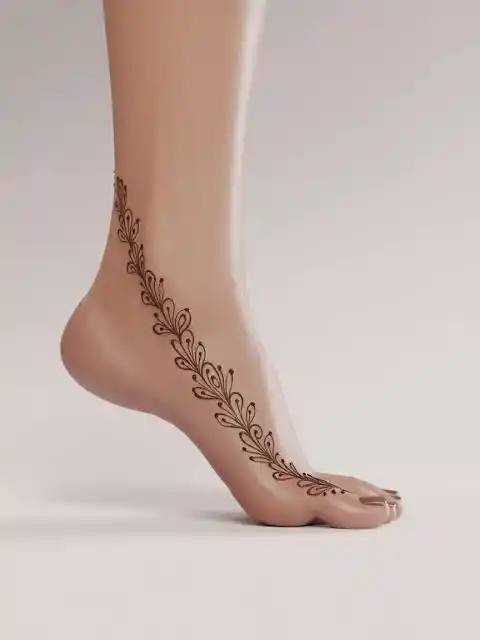
The same delicate, open-space approach translates well to legs and feet, especially for haldi or mehndi day functions where guests want something detailed but not floor-length. Ankle bands, small mandala circles at the top of the foot, and thin vines climbing the calf are the most requested combinations right now.
Bridal Khafif Mehndi
Brides who don't want the traditional heavy bridal coverage are increasingly choosing khafif designs built around paisleys, lace-style fillers and detailed florals. It gives the bridal look without the design feeling dense in photographs, which matters more now that most wedding albums are shot for social media as much as for print. This pairs well with the lighter, more personal setup couples are already choosing for small and intimate weddings, and works nicely alongside a soft, non-heavy look from your bridal makeup artist.
Tips to Get a Darker, Longer-Lasting Mehndi Stain
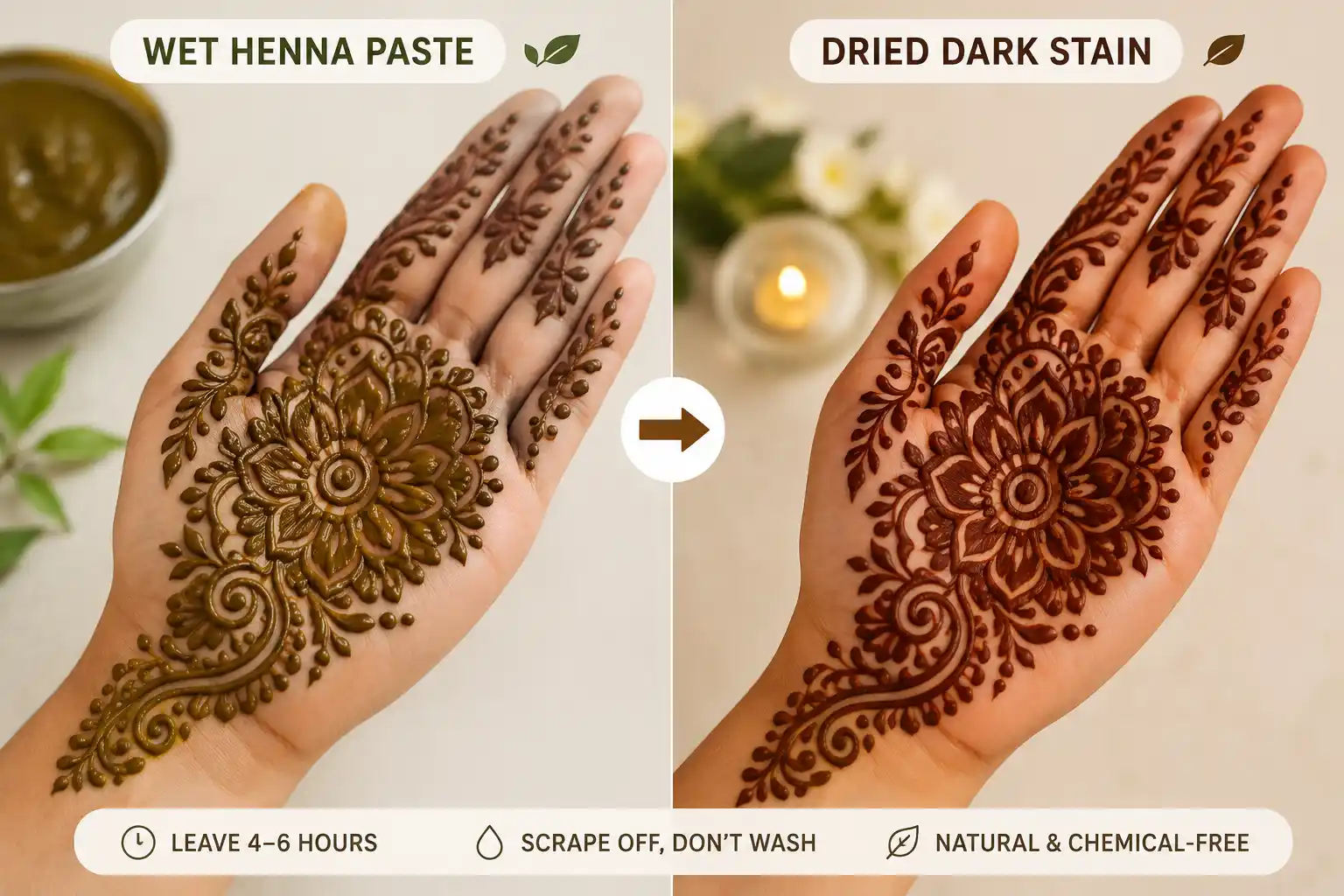
Most design guides stop at pictures, but the stain matters as much as the pattern:
- Apply on clean, exfoliated skin. Any lotion or oil on the hand blocks the henna from bonding properly.
- Let it dry naturally for at least 3 to 4 hours before scraping it off. Don't wash it with water.
- Apply a lemon-sugar mix lightly over the dried paste to keep it moist for longer without cracking.
- Avoid water for the first 12 hours after removing the paste. The colour keeps darkening during this window.
- Apply mustard or coconut oil once the paste is off, and again the next morning, to lock in the final stain colour.
Frequently Asked Questions
What is the difference between khafif and Arabic mehndi design?
Arabic mehndi uses bold, thick strokes and larger floral motifs, while khafif mehndi uses fine, delicate lines with smaller fillers and more open space. Khafif is essentially a lighter, more detailed take on the same free-flowing style.
Which mehndi design is best for beginners to apply at home?
Simple arabic mehndi design with basic vine and dot patterns is easier to practise at home since it relies on bold, forgiving strokes rather than fine detailing.
How long does an easy mehandi design take to apply? A simple back-hand or finger design usually takes 20 to 40 minutes, compared to 3 to 5 hours for a full bridal design.
Is khafif mehndi suitable for a bride?
Yes. Many brides now choose khafif designs with paisleys and floral fillers for a detailed yet lightweight bridal look, especially for smaller or intimate weddings.
Does Arabic mehndi last as long as traditional mehndi?
Since arabic mehandi design uses less paste per area, the stain can fade a little faster in some spots, but proper aftercare (avoiding water for 12 hours, applying mustard oil) keeps the colour dark for close to the same duration as a full design.
Can khafif and Arabic mehndi be combined in one design?
Yes, this is one of the most requested combinations right now. Artists use bold Arabic motifs as anchor points and connect them with fine khafif-style trails for a design that has both drama and detail.
Final Thoughts
Whether you go with a bold arabic mehendi design or a delicate khafif pattern, the best choice comes down to how much time you have and how much of the hand you want covered. For weddings and mehndi ceremonies in Jaipur, it also helps to book an artist who works regularly with both styles, since the stroke control needed for khafif fillers is different from the bolder Arabic technique. Our mehendi function planning page can help you compare verified mehndi artists and portfolios before your wedding day, and if you're planning the wedding itself, Plan4Event's Jaipur wedding planners handle everything from the mehndi day to the reception.
For brides working out the budget side, our wedding planner cost guide for 2026 breaks down city-wise fees, and our destination wedding packages guide covers venue and package pricing if you're planning the celebration outside your home city.